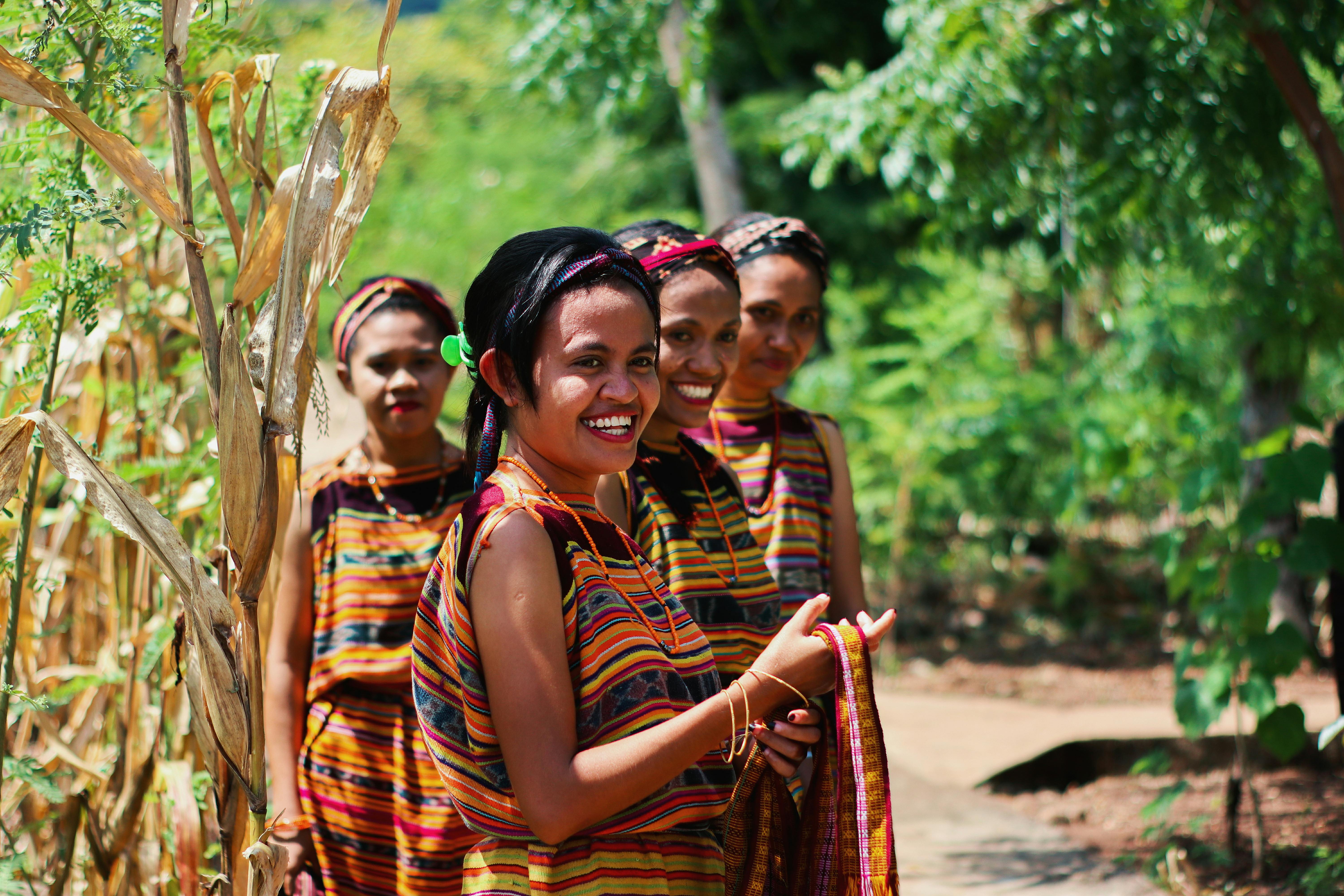
Continental women are frequently the target of stereotypes that have a negative impact on their lives. Most of these biases are based on a woman’s age, body type, cultural course, and background. These cliched depictions produce a distinct group of German females that is frequently idealized or despised. It is difficult to understand the origins of these biases because they are frequently linked to principles and cultural ideas https://wellness.mcmaster.ca/healthy-relationships-long-distance-communication-2/.
In movies, television shows, and other popular tradition, it’s common to see Western women portrayed as gold miners. It is a deceptive portrayal because it implies that because of their social differences and absence of language proficiency, men can easily exploit eastern European girls. In actuality, this notion has its roots in patriarchal societies and traditional gender roles, where men are expected to protect the economy while people take care of the home and babies.
Another harmful myth is that girls in eastern Europe are thin, superficial, self-centered, and prepared to do anything to maintain their attractiveness. This picture is particularly prevalent in western advertising, where women’s perceptions of attractiveness play an disproportionately large function. Nevertheless, it is incorrect to sole out ladies from northeast Europe because they are not the sole group that experiences this issue.
Last but not least, even in today’s https://womenandtravel.net/croatian-women purportedly politically correct society, the portrayal of eastern European women as alluring bitches and luts is deeply unpleasant and difficult. This picture is generally created at the intersection of sexualization and class-occupational constructions, where bright eastern Western women are stigmatized for their racist traits and viewed as inferior to their wealthy european counterparts.